BASIC GUIDE
What is a KPI?
A KPI (key performance indicator) measures whether your team is moving toward a specific goal. It summarizes how an area or the business is performing against a defined target.
It must be measurable, actionable, and reviewed regularly. Dashboards visualize it in context so the team can align decisions.
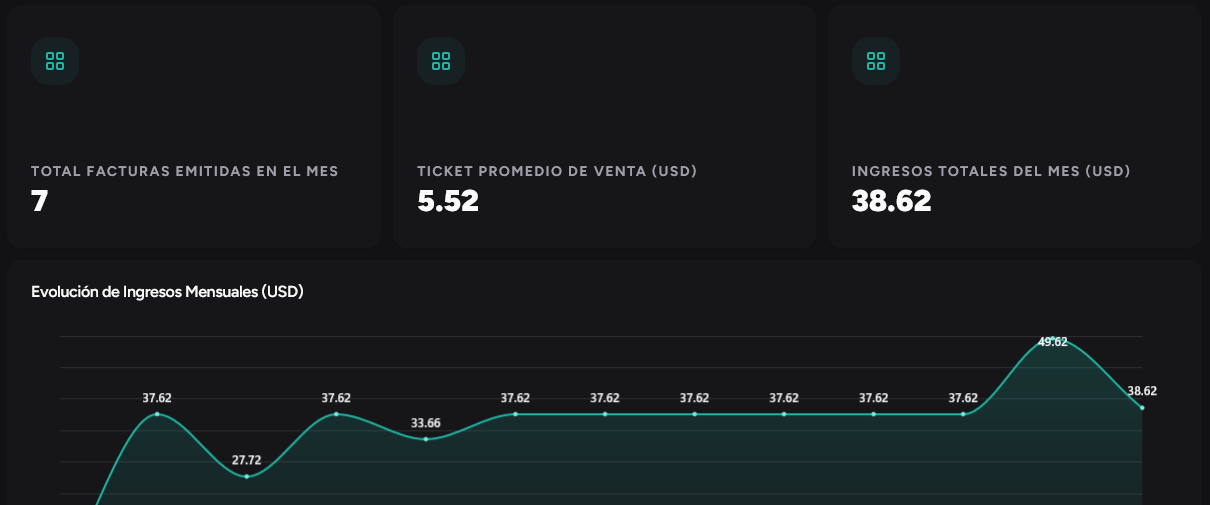
Traits of a good KPI
- Aligned with a clear business objective
- Measurable with data you already have or can obtain
- Triggers a concrete action if it worsens
- Reviewed frequently (weekly or monthly, depending on the area)
- Understandable to whoever decides — not just analysts
KPI examples by area
A quick reference of common indicators by department.
Sales
Conversion rate, average deal size, active pipeline, quota attainment.
Operations
Delivery time, error rate, capacity utilization, cost per unit.
Finance
Gross margin, cash flow, days sales outstanding, EBITDA.
Marketing
Cost per lead, ROAS, open rate, landing page conversion.
Important sales KPIs
If you lead sales or commercial, these indicators are usually the first ones to monitor on a dashboard.
Total pipeline
Value of open opportunities. Anticipates future revenue and flags weak prospecting.
Conversion rate
Percentage of leads or opportunities that close. Measures sales team efficiency.
Average deal size
Average amount per sale. Useful to see if you're growing value per customer or relying on volume.
Quota attainment
Progress vs. period goal. The KPI every sales manager checks first.
Sales cycle
Days from first contact to close. Surfaces friction in the sales process.
Churn / cancellation rate
Customers who leave. Complements new sales with real retention.
Sales per rep
Individual productivity and workload distribution across the team.
Win rate
Percentage of proposals won. Signals opportunity quality and value proposition.
How to choose your KPIs
- Start with 3–5 KPIs tied to the quarter's goal — not an endless list.
- Ask: if this number worsens, do I know what to do? If not, it's not a KPI yet.
- Avoid vanity metrics (likes, visits without conversion) if they don't impact revenue or operations.
- Review with the team each month whether they're still the right indicators.
FREQUENTLY ASKED QUESTIONS
We answer your questions
Ready to see your metrics in a dashboard?
Join early access and connect your data in minutes—no SQL or manual reports.